This page is constantly being updated, and should not be considered exhaustive. If you use “pesticides” (i.e. any insecticides, herbicides or fungicides) it is recommended doing an internet search on the active ingredients and seeing if they are toxic to bees. This list is a guide only, and does not change your obligation to use chemicals in a safe and proper manner as per the manufacturer’s specifications and local laws and rules.

“Pesticides”
I try to refrain from using the term “pesticide” as it is a slightly Orwellian euphemism for insecticides, fungicides or herbicides which hides the scope of their function. It is fairly rare to find an insecticide which only kills one type of insect, and applying an insecticide to target one type of insect can also kill or incapacitate other insects. Keep in mind that the term “bees” covers approximately 20,000 species of insect (not just the famous Honeybee) and wiping out even a small number of these species can have carry on effects to local plants which rely on those bees as a source of pollination.
The other thing to note is that there have been links drawn between pesticides (especially fungicides and “bee-safe” insecticides) which may compromise other aspects of bee health (e.g. immunity) and may facilitate bee and colony death through other means (e.g. Nosema).
To give you an example, if you currently peruse the Mortein website, you will find little reference to any products which “deals with” or targets bees, however several of their products feature warnings that their products are harmful to bees. This is despite Mortein listing the Honeybee as the fourth most dangerous creepy crawly.
Neonicotinoids
For the record, the class of insecticide which has been repeatedly shown as one of the more harmful insecticides on the market are known as neonicotinoids (or ‘neonics’). They are a type of chemical similar to nicotine, and are a ‘systemic’ insecticide which are absorbed into plants and therefore kills insects which consume any part of a plant (e.g. bees consuming pollen or nectar). This also means that neonics applied to one part of a plant may end up in multiple parts of the plant or potentially absorbed by other surrounding flora, making it hard to limit collateral damage on non-target insects. Neonics tend to have an effect on a bees nervous and navigation systems, which even at low doses, kill or impair a bee irreparably. This study showed that Honey Bee Queens exposed to five parts per billion (5 ppb, or the equivalence of one teaspoon mixed into an Olympic sized swimming pool) presented with alterations to their reproductive systems which ultimately degraded the hive’s ability to survive other challenges. The EU has restricted use of various Neonicotinoids due to their harmful effects on bees. In a FAQ Sheet published by Bayer, the effects of neonicotinoids are downplayed, showing “no-adverse-effect” concentration to be 20 parts per billion. If you see a product which has one of these in them, they contain neonicotinoids:
- Acetamiprid
- Clothianidin
- Dinotefuran
- Imidacloprid
- Nitenpyram
- Thiacloprid
- Thiamethoxam
Why does this even matter?
What can I do?
Everyone has the capacity to change the situation for bees. Simply not using “pesticides” in your own gardens is a large step to combatting the problem. Honeybees source their food up to ~12 kilometers from their hive, which means by using insecticides in your garden, you may not only be harming bees from your area, but the next suburb as well. The fact that you would not spending money on these products will potentially influence shops that stock them, and get them to take them off their shelves.
The next level up is to inform people you know of this issue. Even simply passing this knowledge on to your kids may cause them to develop a sense of responsibility for the bees and influence the next generation. Writing letters of concern to your local Members of Parliament and Councillors may see them introduce laws or rules which protect bee populations.
One step beyond that is to actively boycott suppliers of products which potentially harm bees, which may include supermarkets or hardware stores which stock these products, or farmers who use neonics (or other harmful insecticides) on their crops. The “active” part of the boycott could include writing or talking to these suppliers and informing them that they are implicit in a trade which is destroying our bee populations. I do not recommend becoming aggressive or abusive to these companies, as maintaining a calm and concise message is often the best way to engage people and get them to take you seriously.
The Wall of Shame
This list will be updated as I find more products containing bee-harmful substances. Ultimately this list is a general guide, and I would encourage you to research any insecticide (or herbicide) you use and make sure there are no harmful effects to bees yourself. If you notice an error or omission, please drop me a line beebenefactor@gmail.com and I will correct it as soon as possible. I will try to post sources to studies or articles explaining the toxic effects to bees, as available.
The list that follows is an index of products which contain insecticides associated with killing (or incapacitating) bees. I have intentionally separated the list into three categories: “Highly Toxic to Bees” which indicates that a bee (or colony) will likely be destroyed with continued exposure, potentially at very low doses. ”Toxic to Bees” which indicates a link between the active ingredient and the killing of bees, and not necessarily a colony (usually requiring direct contact, potentially at higher doses). ”Potentially Toxic to Bees” indicates a pesticide which may not directly kill bees or colonies, but may be linked to other conditions which ultimately destroy bees or their colony.
Please note: it is difficult to find studies including “bees that are not Honeybees,” please keep this in mind when referring to links and sources.
Highly Toxic to Bees
Products containing Spinetoram
The US Environmental Protection Agency recognises Spinetoram as “Highly Toxic to Bees.” These include:
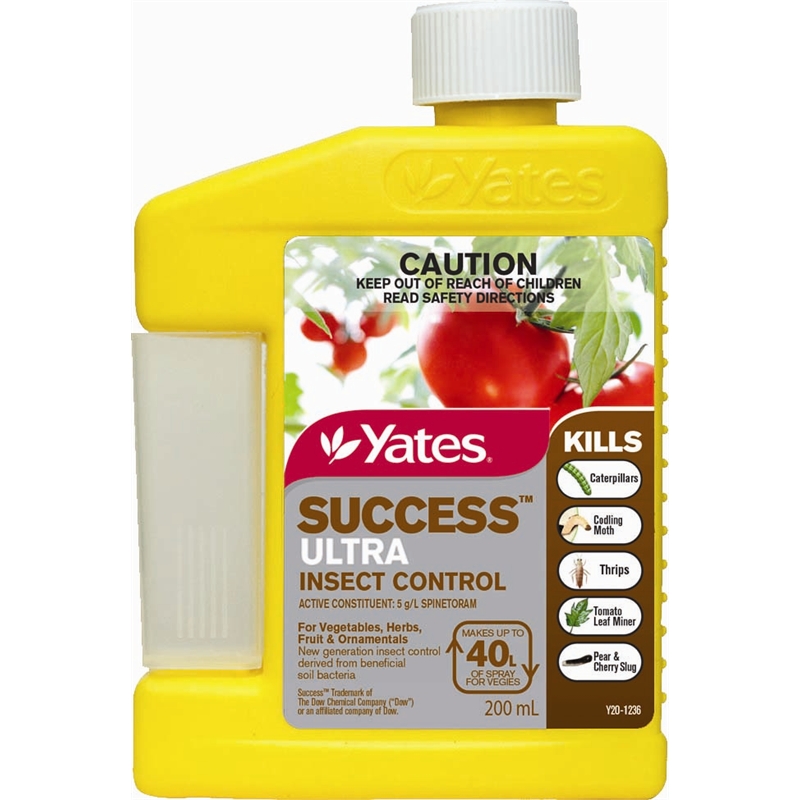 |
Yates Success Ultra Insect Control |
 |
Yates Tomato and Vegetable Dust |
Products containing Neonicotinoids
 |
Yates Confidor [Concentrate, Aerosols, Ready-to-use, etc] (seemingly all varieties contain Imidacloprid) |
 |
Yates Rose Gun Advanced (contains Imidacloprid, also contains myclobutanil) |
 |
Hortico Systemic Insect Killer Imidacloprid (contains Imidacloprid) |
 |
Richgro Bug Killa (contains Imidacloprid) |
 |
Defender Maxguard Systemic Insecticide (contains Acetamiprid) |
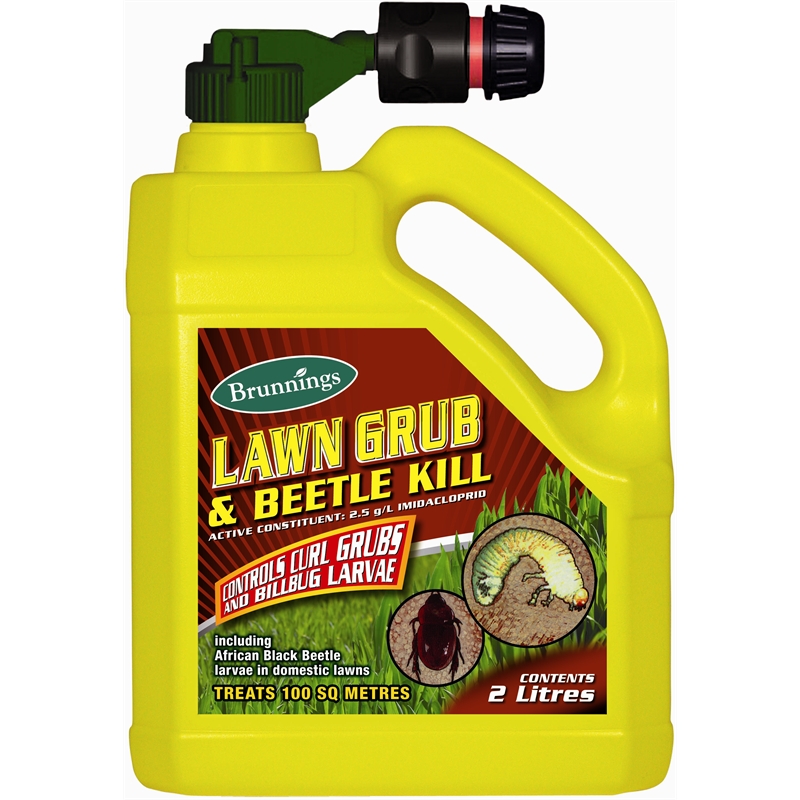 |
Brunnings Lawn Grub And Beetle Kill Hose-On Insecticide (contains Imidacloprid) |
Products Containing Pyrethroids and Pyrethrins
Pyrethroids are very effective insecticides which are derived from (or engineered to replicate) chemicals found in plants usually marketed as “eco-friendly” or “natural.” They generally require direct contact to the insect, and depending on the type of active ingredient, can remain toxic anywhere from hours to days after being applied. There is a more in depth profile found here.
 |
Yates Baythroid (contain Cyfluthrin) |
 |
Yates Pyrethrum Insecticide (contains Pyrethrum, also contains piperonyl butoxide, increasing toxicity) |
 |
Yates Nature’s Way Citrus & Ornamental Spray (contains Pyrethrum) |
 |
Yates Nature’s Way Bug Gun (contains Pyrethrum) |
 |
Yates Scale Gun (contains Pyrethrins, also contains Petroleum Oil and piperonyl butoxide, increasing toxicity) |
 |
Yates Pyrethrum Gun (contains Pyrethrum, also contains piperonyl butoxide, increasing toxicity) |
 |
Bayer Ant & Wasp Dust (contains Permethrin) |
 |
Yates Ant & Roach Dust (contains Permethrin) |
 |
Hortico Insect Killer (contains Pyrethrum) |
 |
Multicrop Pyrethrum series (contains Pyrethrum) |
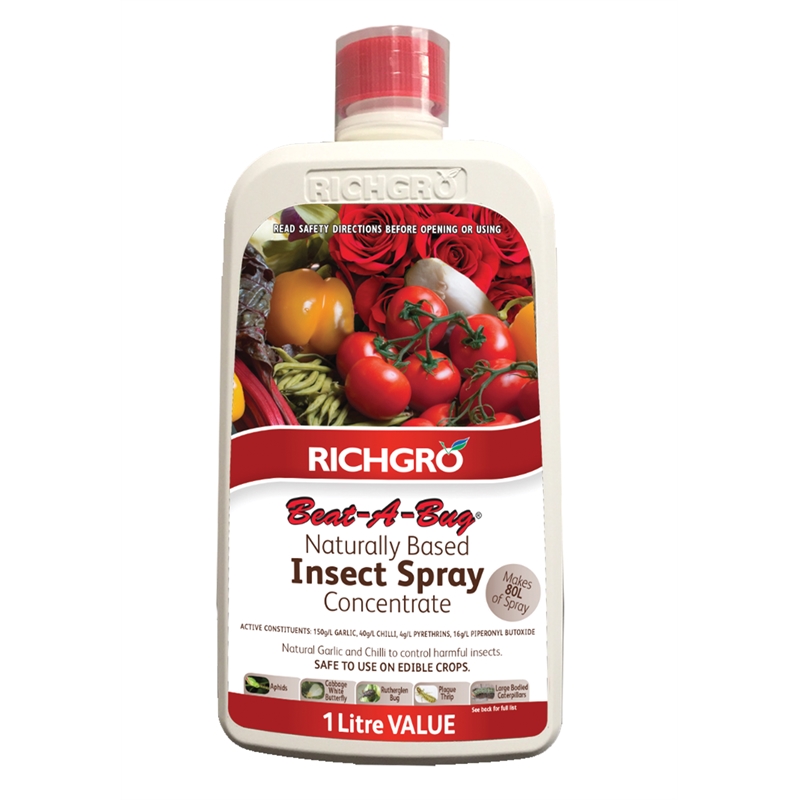 |
Richgro Beat-A-Bug Natural Insect Spray (contains Pyrethrins, also contains piperonyl butoxide, increasing toxicity) |
 |
Brunnings Ant Kill (contains Permethrin) |
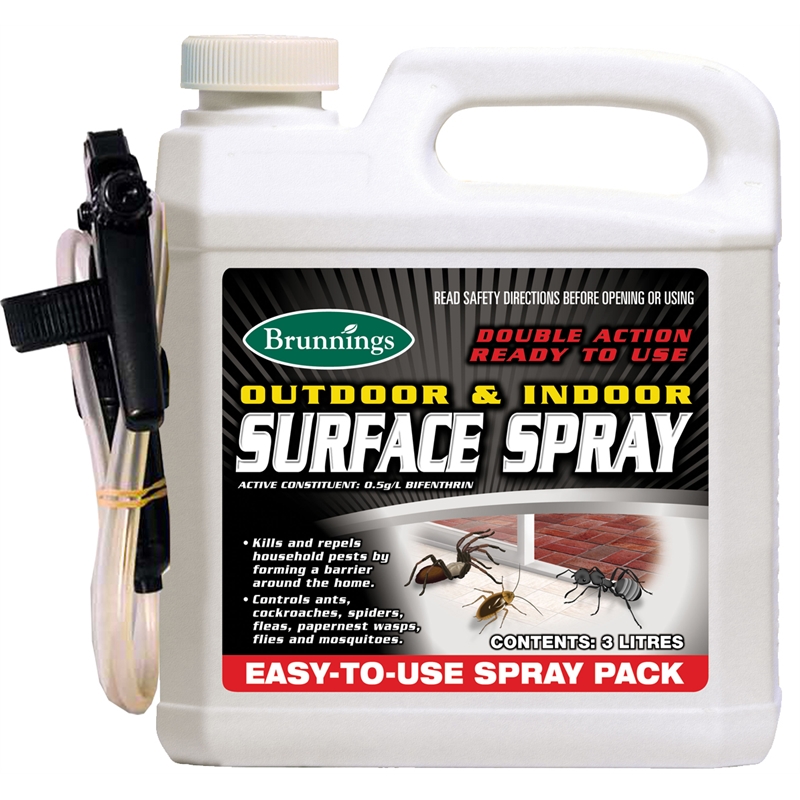 |
Brunnings Indoor And Outdoor Surface Spray (contains Bifenthrin) |
 |
Brunnings Pest Spray 3 In 1 Action (contains Tau-fluvinate, also contains Myclobutanil) |
Toxic to Bees
Products containing Petroleum/Paraffinic Oils (temporarily renders bees ‘inactive’, which may cause death)
 |
Yates White Oil Insecticide |
 |
Yates PestOil |
 |
Yates Leaf Shine (contians “light petroleum oil”) |
 |
Multicrop 3L EcoPest Oil (contains paraffin oil) |
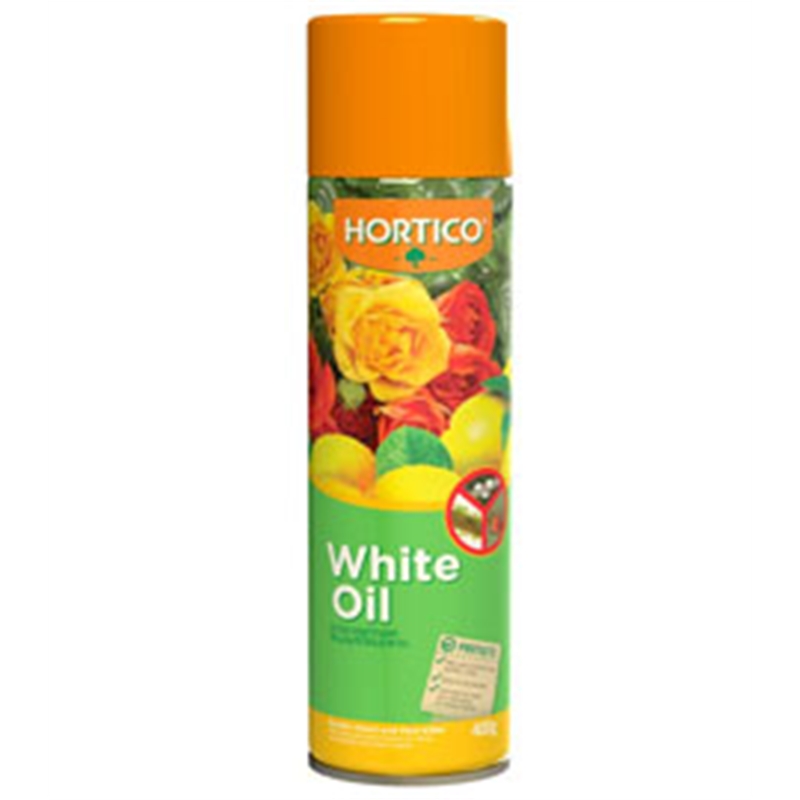 |
Hortico White Oil (contains paraffin/petroleum oil) |
Products containing Copper (reported to negatively impact colonies)
 |
Multicrop Kocide BlueXtra (contains Cupric Hydroxide) |
Products containing Neem (toxic to bees if ingested)
 |
eco-oil neem (contains Azadirachtin) |
Products containing Spinosad (acutely toxic for 3 hours after application)
 |
Yates Nature’s Way Fruit Fly Control |
 |
eco-naturalure |
Potentially toxic to bees
Products containing Bacillus thuringiensis aka “Bt” (potentially linked to Nosema complications)
 |
Yates Nature’s Way Caterpillar Killer |
Products containing Myclobutanil (a fungicide linked to increased Nosema infection)
 |
Yates Rose Shield Insect & Disease Spray |
 |
Hortico Rose Spray |
Products containing Rotenone (toxic to bees when combined with pyrethroids)
 |
Nature’s Way Vegetable Dust Derris |
 The Bee Benefactor
Pingback: So, your neighbour is a beekeeper… | The Bee Benefactor
Big Thankyou. I am looking for away to kill the many European wasps in my garden and not harm other insects. They Drown themselves in meat stock which works to kill individuals. If there is a way to affect the main nest that is not harmful to other insects I’d love to find out. I’ll keep researching and share if I find a way.
LikeLike
Shocked. So many labelled economic friendly.
LikeLike
Before you condemn products which contain Acetimiprid, such as Defender MaxGuard, I suggest you check the US research and this article on the Entomological Society of America website: https://www.entsoc.org/press-releases/glyphosate-and-acetamiprid-have-relatively-low-toxicity-honey-bees
LikeLike
Is eco-oil safe to use with bees and also eco-fungicide?
What is something that is safe to use with bees (as I have a beehive) but also quite a lot of fruit and vegetable plants that have some common diseases and pests.
LikeLike
Tau-Fluvalinate (a synthetic pyrethroid) is used to kill varroa mite in bee hives. Anything can be toxic at a high enough level including water. This article has no credibility. I definitely would not recommend Neonicotinoids if you value bees. The systemic nature of this poison makes it difficult to avoid harming bees if you are using these products. Pyrethrums & horticultural oils are fine as long as you don’t directly spray a bee with it. Best to apply first thing in the morning when bees are less active & generally less wind around.
LikeLike
If I plant pyrethrum and marigold plants near vegetables I’m trying to grow, will this keep bees and other pollinators away? I wanted to keep ‘pests’ away but am now worried I am doing harm.
LikeLike
I’m confused by your separate categorisation of spinosad and spinetoram. The link you provided for the EPA states spinosad and spinetoram are essentially identical on a molecular level? The EPA evaluation on does not refer any study on bees. Can you please clarify?
LikeLike
Disregard, I found the info. EPA does state Spinetoram is highly toxic to Bees
LikeLike
Wow. Am changing the way I approach the problem straight away.
LikeLike
What is the best termite/whiteant spray that doesnt affect bees?
LikeLike
I have a hive of Tetragonula carbonaria stingless bees, and also grow frangipani, the leaves of which are attacked by fungal rust. There are two fungicides I plan to use. 1: Triadimefon; 2: copper oxychloride. Are they safe around bees?
LikeLike